
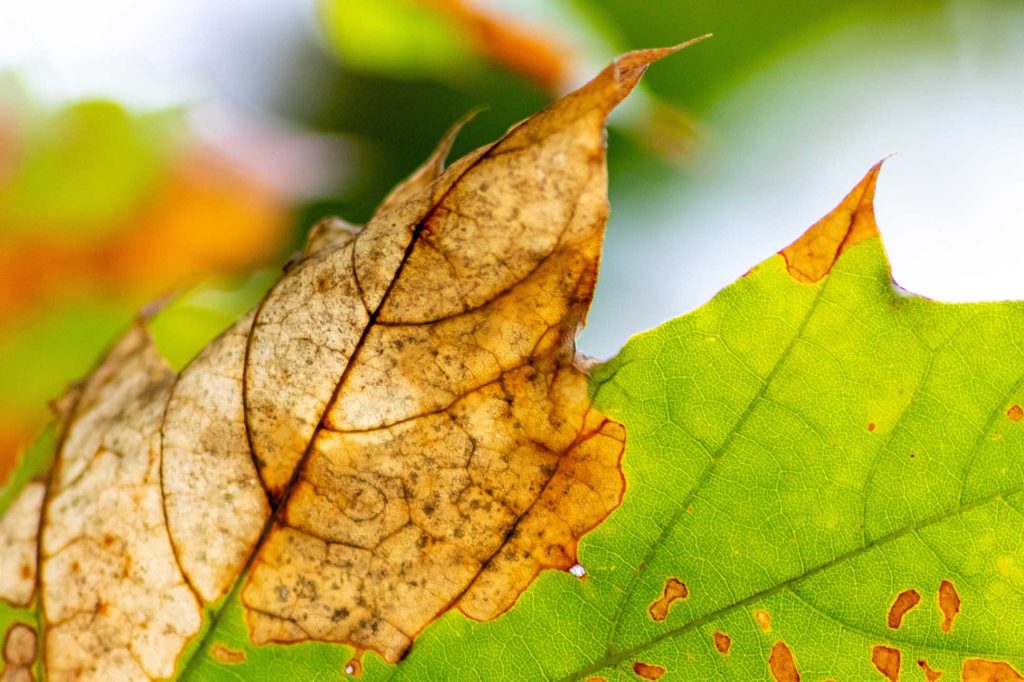
Welcome, tree lovers and nature enthusiasts! Today, we’re discussing a subject that not only fascinates but also plays a crucial role in preserving the stunning beauty of Oregon’s forests: identifying the signs of tree diseases. Whether you’re a homeowner with a beloved oak in your yard, a business with a welcoming array of trees, or a hiker who cherishes the tranquility of Oregon’s woodlands, this guide will arm you with the knowledge of a true tree detective, ready to spot trouble before it’s too late!
Common Tree Diseases in Oregon
Oregon is home to so many wonderful species of trees. Douglas-fir and their common companions the Western Hemlock, these iconic trees can be found all over, especially near the mountains. The Ponderosa Pine loves the drier areas, while Sitka Spruce and Western Red Cedar prefer a moist environment. The Red Alder and majestic Oregon White Oak can be found particularly prevalent in lowland areas. These species and more make up the tapestry of our beautiful countryside, and knowing the common afflictions that impact them can help us all be better stewards of the beautiful life that surrounds us.
- Dwarf Mistletoes These parasitic plants latch onto trees, slowing their growth and deforming their crowns and branches. Over time, dwarf mistletoes can even kill their host trees, making them a serious threat.
- Foliage Diseases Fungi that infect tree leaves or needles, causing them to fall prematurely. In the case of needle blights, the dead needles often remain attached, creating a distinct, unhealthy appearance.
- Root Diseases Fungi and pathogens that attack and kill a tree’s roots. Trees weakened by root diseases are more vulnerable to bark beetles, wood borers, and storm damage.
- Rust Disease and Stem Cankers Fungi cause localized areas of dead bark on branches or trunks. If left untreated, these cankers can kill branches and even entire trees.
- Stem Decay Fungi enter trees through wounds or small branches, leading to internal decay. This weakens the tree’s structure, making it prone to breaking.
- Sudden Oak Death A non-native pathogen causing widespread death among tanoak trees on the southern Oregon coast. It also affects other species like Douglas-fir, leading to dieback and leaf spots.
- Swiss Needle Cast Affects Douglas-fir trees, causing needles to yellow and drop prematurely, which reduces the tree’s growth and vitality.
- Laminated Root Rot A particularly aggressive root disease that impacts Douglas-fir and other conifers, causing tree decline and eventual death.
Symptoms of Tree Diseases

Photo by : Rosser1954
Cankers: What are they and what do they look like?
Cankers are areas where the tree’s bark has died, often appearing as sunken, discolored spots on the trunk or branches. These cankers can spread, leading to further decay and even girdling the tree, cutting off its nutrient supply. A common symptom of rust diseases, they can vary in size and severity but are always a red flag.
What is Dieback and Why is it Called That?
This term describes the gradual death of tree branches, starting from the tips and moving inward (dying back). It’s as if the tree’s life force is retreating, and it’s a clear sign that something is seriously wrong. Dieback can be caused by several diseases, including root rot and rust, and it’s crucial to address it early.
Needle Yellowing and When to be Worried
While some conifers naturally shed older needles, excessive yellowing can indicate a disease like Swiss needle cast or foliage diseases. Pay attention to the time of year—if needles are yellowing during the growing season, it’s likely a sign of trouble.
Premature Leaf or Needle Drop: Normal or Nuisance?
If your tree is shedding leaves or needles out of season, it’s not just an early fall—it’s a sign of distress. Foliage diseases like needle blights often cause this symptom, weakening the tree over time. Unsure? Perhaps these needles need an arborist.
Growths and Deformities
Look out for unusual growths on branches or stems, which are often caused by dwarf mistletoes or rust diseases. These deformities can lead to structural weakness and increased susceptibility to other problems.
The Importance of Early Detection of Tree Diseases
Just like our own health, early detection is key to managing tree diseases. A Life With Trees understands the delicate balance of Oregon’s ecosystems and the importance of acting swiftly to preserve it. If you suspect that your tree is showing signs of illness, don’t wait—contact us immediately. We offer expert diagnosis, treatment, and care to help restore your trees to their full glory.
Imagine walking through your property, feeling confident that every tree stands tall and healthy, contributing to the natural beauty we all cherish. That’s the life we envision at A Life With Trees—a life where every tree thrives, and every landscape flourishes.
A Final Thought:
Embrace the Beauty and Protect It
Oregon’s forests are more than just a backdrop—they’re a vital part of our community and environment, and your own beautiful property is, too. By learning to recognize the signs of a sick tree, you’re taking an active role in preserving this incredible landscape. And when it’s time to act, remember that we are here to guide you every step of the way. After all, who could imagine any better life than A Life With Trees?